
Top Tips for Ensuring Metal Work Machinery Longevity
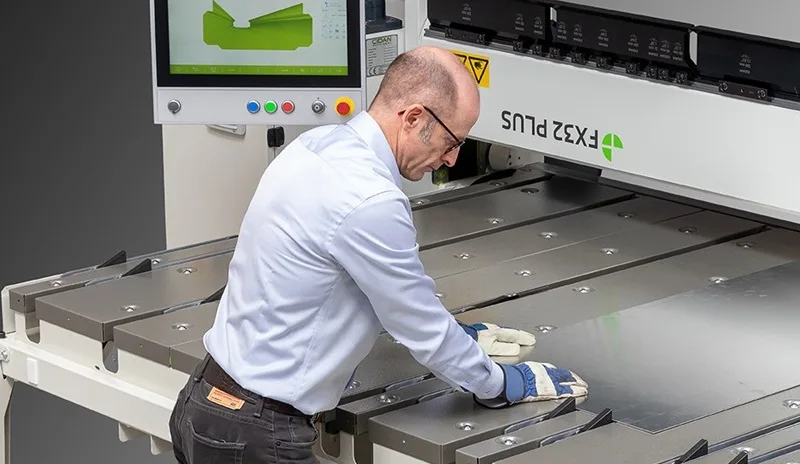
Proper maintenance is essential for keeping your metal work machinery performing at its best. Whether you operate bandsaws, press brakes, section rollers, metal guillotines, cold saws or industrial drills, routine care protects your investment, improves accuracy and ensures safe, uninterrupted production. In this guide, we break down the most important maintenance practices that help extend machine life, reduce downtime and keep your workshop operating efficiently. By following these proven steps, you can maximise output, minimise repair costs and keep every piece of equipment running smoothly for years to come.
1. Use the Correct Machine for Each Application
Choosing the right machine ensures precision, safety, and longevity across all fabrication tasks.
- Match machine capability to material type and thickness: A metal guillotine, for example, must be rated for the plate thickness being cut; under-spec machines wear prematurely and produce poor results.
- Understand each machine’s intended purpose: Press brakes are for bending, bandsaws for cutting profiles, section rollers for shaping curves—using the wrong tool risks accuracy and damages components.
- Protect investment value: Ensuring each job is performed on the correct equipment dramatically reduces wear on blades, rollers, hydraulics, and drive systems.
- Seek expert guidance when unsure: Manufacturers and machinery specialists can recommend the right machine setup, tooling, and accessories for the task, helping extend machine lifespan.
2. Invest in Proper Operator Training
Well-trained operators significantly reduce machine strain, improve accuracy, and avoid costly downtime.
- Correct operation prevents mechanical stress: For example, knowing proper blade tension on a bandsaw or correct tonnage settings on a press brake prevents catastrophic failures.
- Operators detect early warning signs: Trained staff recognise abnormal vibration, misalignment, overheating, and hydraulic inconsistencies before they escalate.
- Higher productivity and safer workflows: Skilled operators complete tasks faster and with fewer errors, reducing maintenance costs long-term.
- Training Protects Tooling: Precision tooling such as punches, dies, blades, and roller sets last far longer when handled by trained personnel.
3. Know Your metal work Machinery & Its Requirements
Familiarity with each machine’s structure, controls, and specifications is key to long-term reliability.
- Read and understand the machine manual: Each brand of guillotine, cold saw, or press brake has specific lubrication schedules, electrical requirements, and calibration procedures.
- Understand hydraulic, electrical, and mechanical systems: This helps operators troubleshoot issues like pressure drop, inconsistent cuts, or servo misalignment quickly.
- Monitor machine behaviour: Operators who know the equipment well can immediately identify changes in performance, accuracy, or feed consistency.
- Maximise efficiency and lifespan: Proper understanding of operational limits ensures machines are not overloaded or misused.
4. Perform Regular Inspections
Routine inspections are crucial for preventing unexpected breakdowns and costly downtime.
- Check all visible and internal components: Inspect blades, rollers, guides, bearings, hydraulic hoses, motor belts, and alignment points.
- Listen for unusual noises or vibration: Bandsaws with worn bearings or drills with misaligned chucks often signal early failure.
- Look for hydraulic issues: Leaking seals, inconsistent pressure, or contamination can lead to major failures in press brakes and rollers.
- Examine structural components: Cracks, warping, and corrosion can impact accuracy and safety.
- Verify fasteners and fixtures: Loose bolts or clamps affect precision and can cause miscuts or accidents.
5. Carry Out Scheduled Maintenance
Routine servicing is essential for all metal work machinery.
- Lubricate moving components: Keep saw blades, press brake guides, roller bearings, and sliding surfaces properly greased to prevent wear.
- Replace consumables as needed: Saw blades, punches, shear blades, and tooling must be maintained to keep cuts clean and accurate.
- Monitor electrical and hydraulic systems: Regularly test pressure, filtration, coolant flow, and motor condition.
- Reduce long-term costs: Scheduled maintenance extends working life, reduces breakdown frequency, and avoids expensive emergency repairs.
- Maintain peak efficiency: Machines that are serviced regularly run smoother, faster, and more consistently.
6. Repair or Refurbish Equipment Instead of Replacing
Many fabrication machines are built to last decades—refurbishment often delivers huge savings.
- Regrind or sharpen tooling instead of buying new: Blades and shear knives regain near-new performance when professionally sharpened.
- Upgrade electrics or hydraulics: Replacing motors, pumps, or control systems can modernise ageing machinery affordably.
- Restore accuracy: Recalibration, re-bushing, or re-lining sliding surfaces can return old machines to factory precision.
- Environmentally responsible: Refurbishing reduces waste and keeps heavy machinery out of landfill.
7. Replace Worn Parts Promptly
Delays in replacing consumables or worn components can dramatically accelerate machine wear.
- Prevent costly breakdowns: A dull blade or worn press brake tooling can damage motors, bearings, or hydraulic systems.
- Source high-quality OEM parts: Poor-quality replacements compromise performance and can create further issues.
- Extend machine life: Small parts, such as belts, seals, guides, and bearings, are inexpensive but vital for reliability.
- Maintain operator safety: Worn or cracked parts increase risk of mechanical failure.
8. Use High-Quality Equipment & Tooling
The performance of fabrication machinery is only as good as the tooling and accessories used.
- Invest in quality blades, punches, dies, and rollers: Precision tooling ensures consistent results and reduces machine stress.
- Higher durability under industrial loads: Cheap tooling wears quickly, causing downtime and damaging machine components.
- Improved cut quality and accuracy: Essential for cold saws, guillotines, and precision bending.
- Better long-term economics: High-quality equipment reduces replacement costs and supports safer workflows.
9. Clean Machines After Use
Daily or weekly cleaning plays a significant role in machine longevity.
- Remove swarf and metal chips: Build-up affects bearings, blade tracking, and lubrication systems on saws and rollers.
- Prevent corrosion: Cleaning coolant trays, tables, and exposed steel surfaces protects the machine.
- Lubricate moving parts: Keeps slides, bearings, and guides functioning smoothly.
- Improve accuracy: Dirt and debris can create uneven surfaces that affect bending and cutting precision.
10. Store and Protect Equipment Properly
Correct storage of your metal work machinery prevents long-term mechanical degradation.
- Cover unused machines: Prevents dust contamination in saws, rollers, and electrical cabinets.
- Control humidity: Reduces rust on guillotines, rollers, and press brake tooling.
- Secure electrical and hydraulic systems: Protect hoses, cables, and fittings from damage when machines are idle.
- Extend tooling life: Proper storage of punches, dies, and blades preserves their edge and accuracy.